
Music Educators Grow Together at Anderson University
Graduate Summer Studies in Music Education brings teachers together for advanced coursework, professional certifications, and a community of lifelong learning.
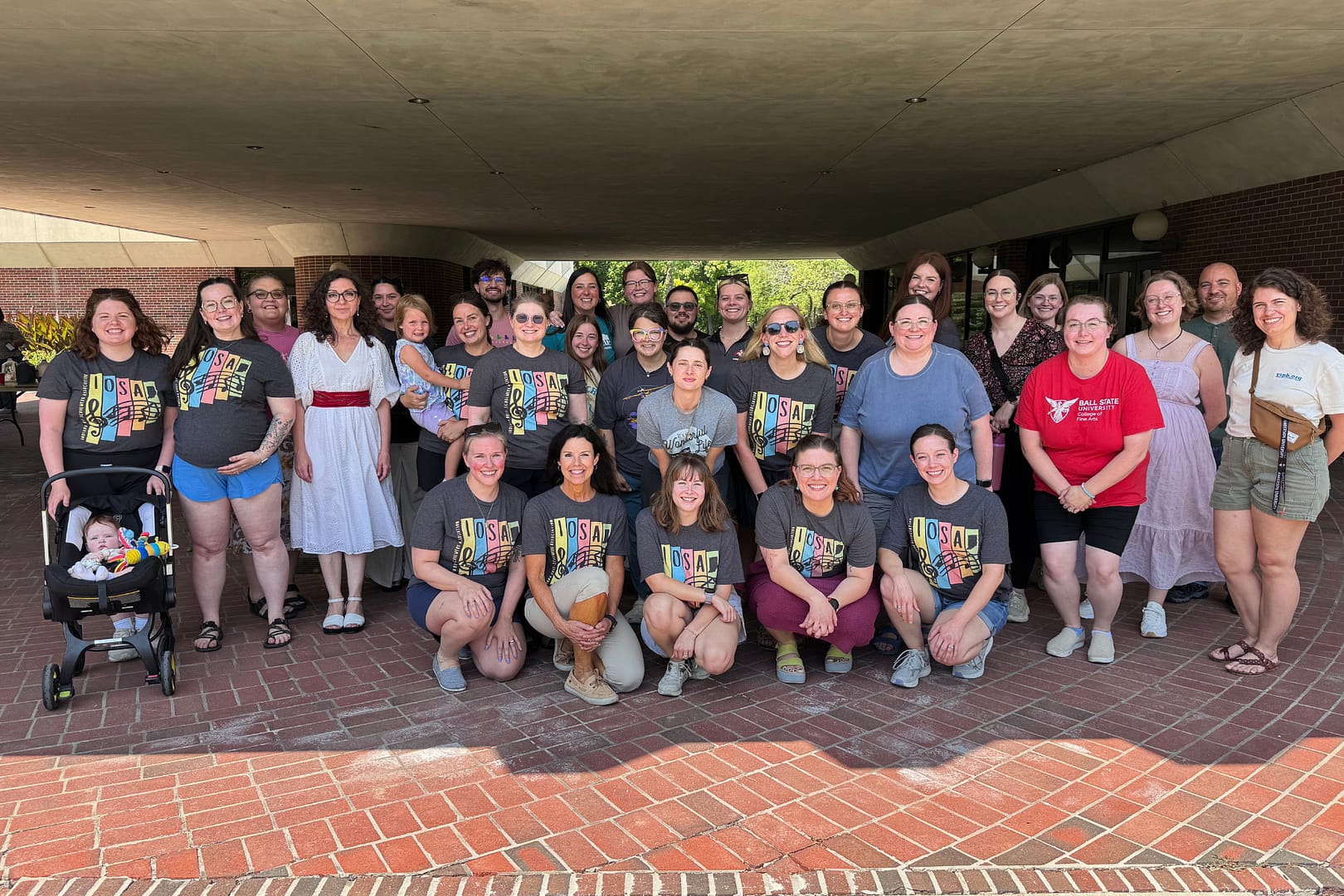
ANDERSON, Ind. — Music educators travel to Anderson University every summer for a common purpose. They become better teachers, stronger musicians, and more effective leaders for their students.
This summer, Anderson University’s Graduate Summer Studies in Music Education welcomed an outstanding community of educators who demonstrated that learning is a lifelong journey.
As one of the Top 7 National Master’s in Music Education, AU’s program continues to attract passionate music educators for graduate studies and nationally recognized certifications. Combining innovative coursework, respected faculty, and flexible learning options, the program provides meaningful development for teachers at every stage.
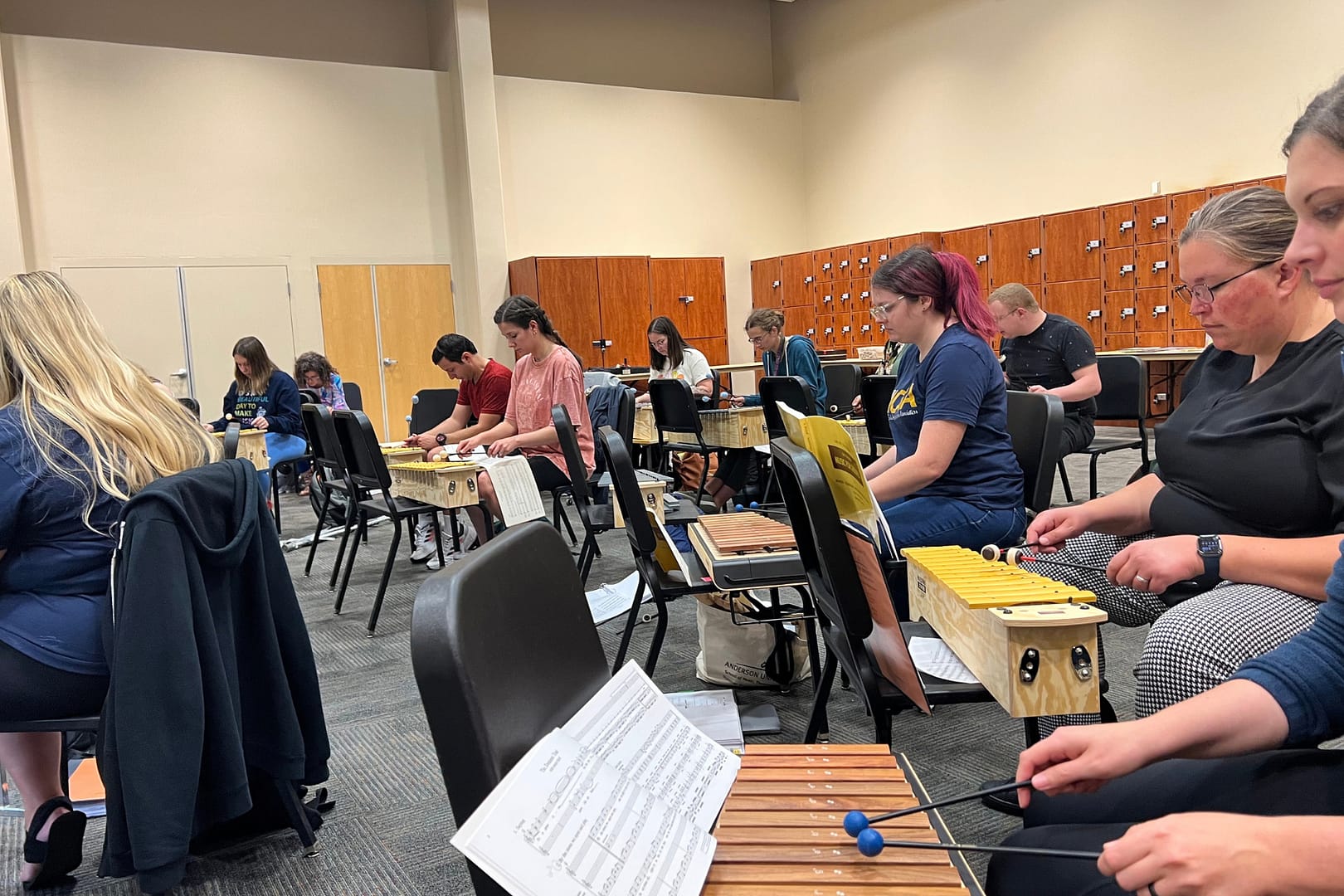
Nationally respected clinicians, authors, performers, and master teachers guide participants through engaging, hands-on experiences. They blend research with practical classroom application. Whether learning pedagogy or developing musicianship, participants were immersed in experiences they can implement immediately in their own classrooms.
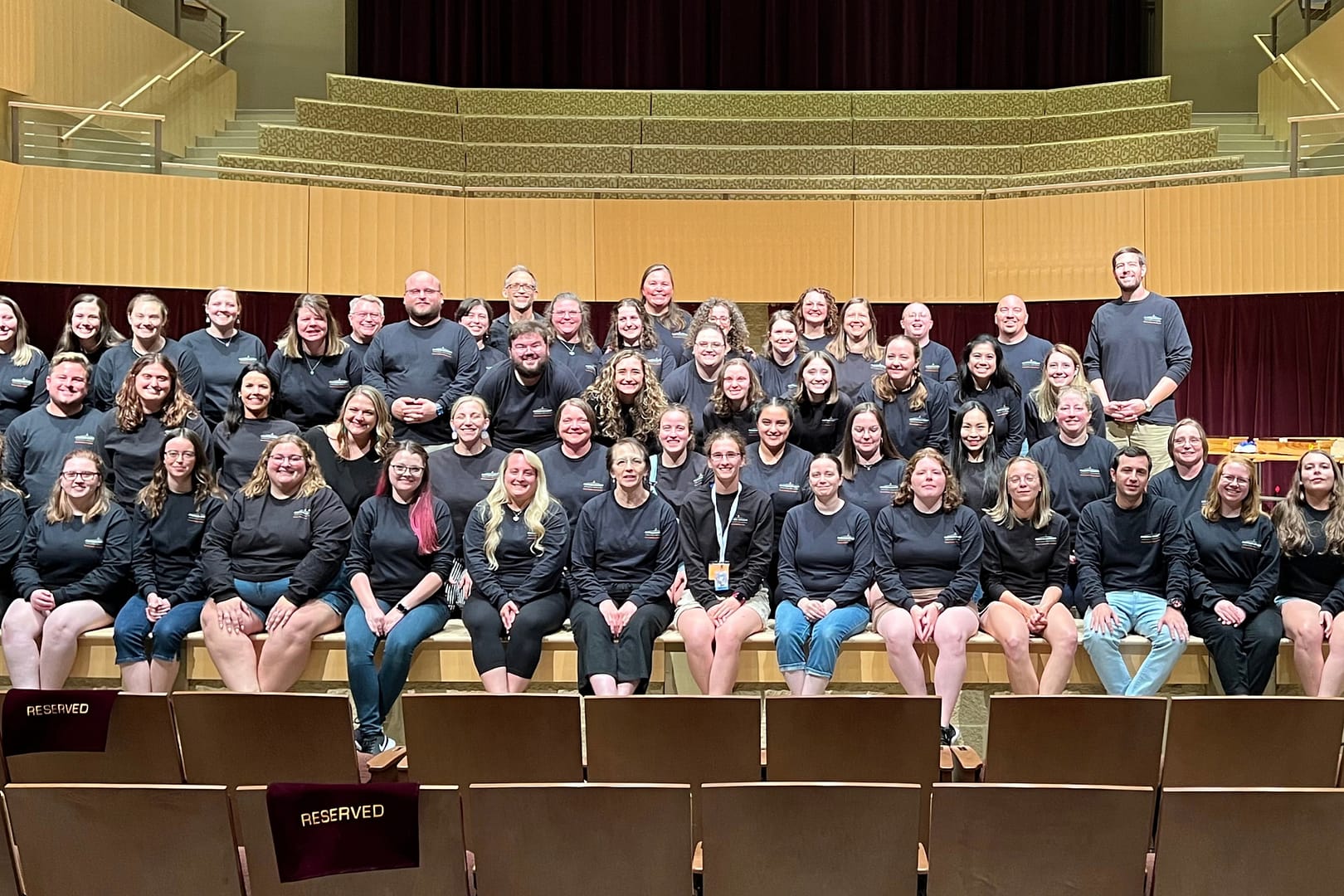
This year’s graduate summer studies program welcomed 48 students, many of whom enrolled in multiple courses throughout the summer. Representing twelve states and two countries, these elementary, middle school, secondary, collegiate, and private music teachers created a rich environment, sharing ideas, experiences, and teaching strategies.
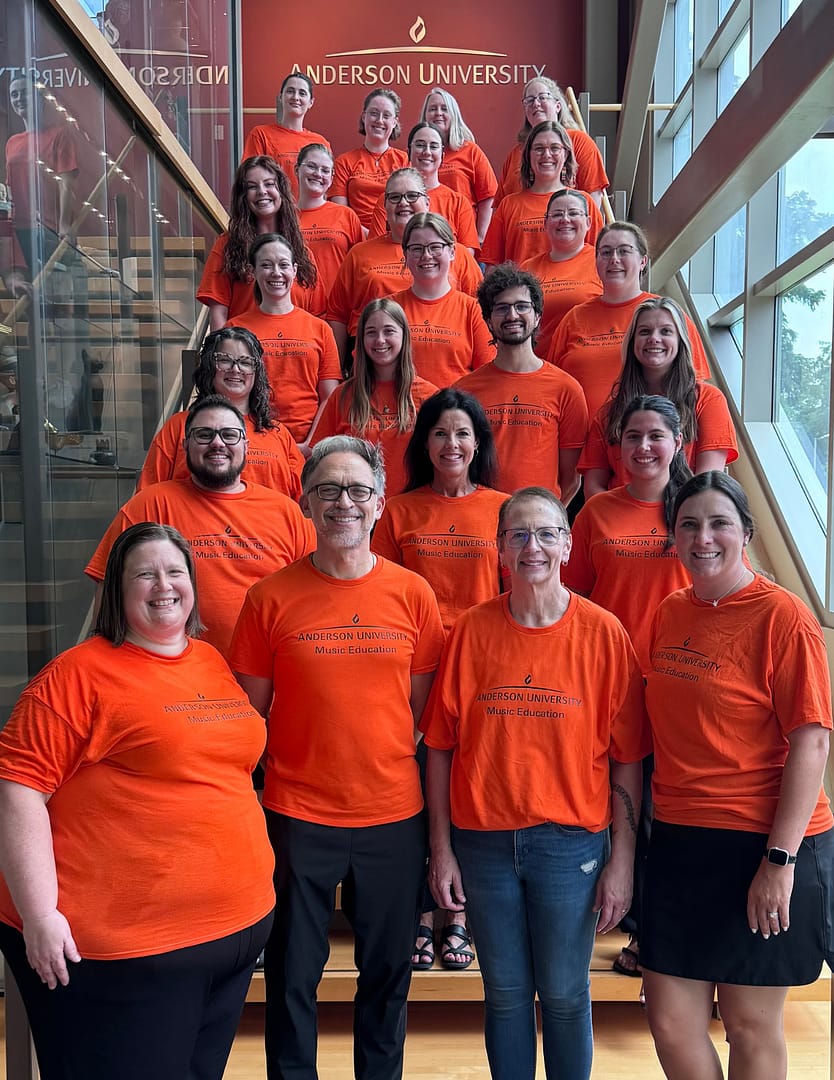
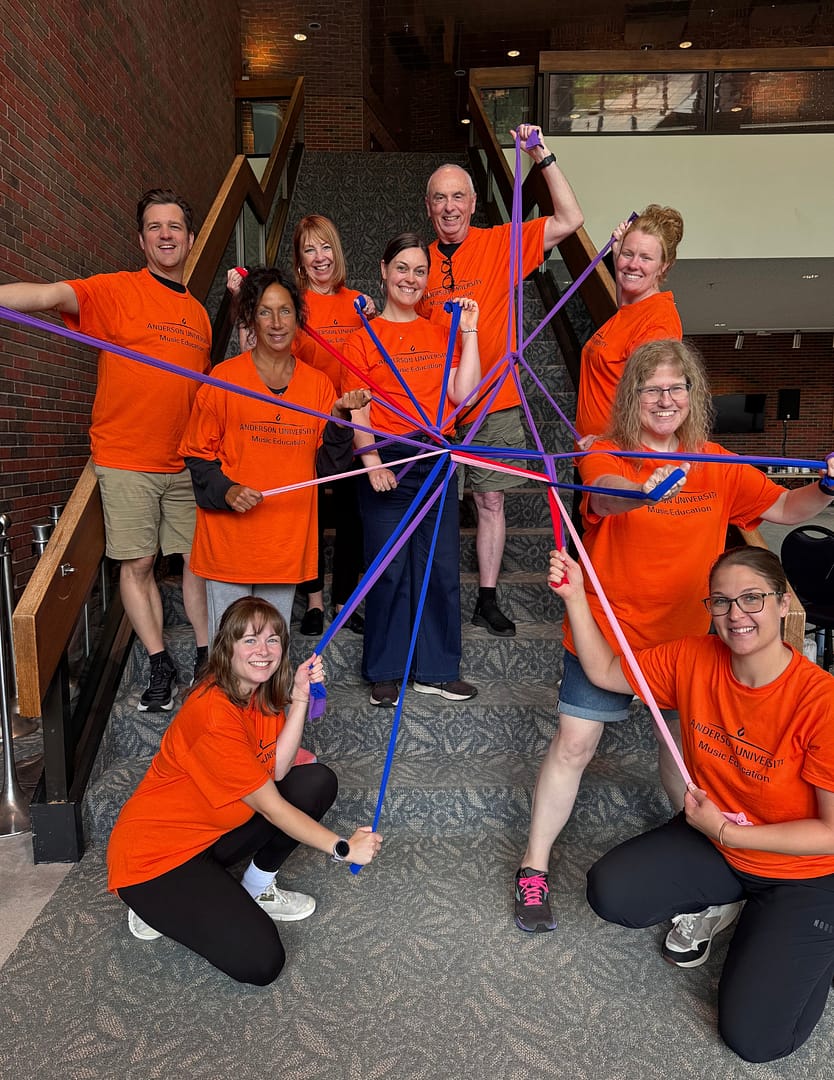
Many participants chose to make Anderson University their home for part of the summer. Staying in the university’s on-campus apartments, they created a vibrant learning community that extended far beyond the classroom. Faculty and students often gathered during lunch breaks and collaborated after class, building lasting professional friendships.
Practical Classroom Instruction Help
Anderson University’s Graduate Summer Studies program offers a variety of coursework. Summer 2026 offered both virtual and in-person experiences designed to meet the evolving needs of today’s music educators.
Recent MME graduate Ponnapha Stahl, Eve, lives overseas and continued teaching while completing the program primarily online. This allowed her to directly apply her education.
“One of the things I appreciated most about the program was learning from my professors and classmates and being introduced to different perspectives and ideas in music education. The program encouraged me to think more deeply about how I can make music learning engaging, meaningful, and accessible to every student.”
Ponnapha Stahl, Eve
MME graduate
“One of the things I appreciated most about the program was learning from my professors and classmates and being introduced to different perspectives and ideas in music education,” Stahl said. “The program encouraged me to think more deeply about how I can make music learning engaging, meaningful, and accessible to every student.”
“Completing the program has given me greater confidence as an educator and motivated me to continue growing professionally,” Stahl said. “I am very proud to be an Anderson University MME graduate!”
Another M.M.E. student, Melanie Seewaldt de Langhoff, has taught elementary music for 10 years. She currently teaches private voice lessons at home and conducts a youth choir where she lives in Florida.
“The M.M.E. courses at Anderson have given roots and focus to my teaching. They have helped me move beyond fun music activities to a purposeful design for teaching musical concepts that enrich students’ musical lives beyond the elementary years,” Seewaldt said. “Teaching is still packed with fun music activities, but these now serve the purpose of solidifying musical concepts and experiences.”
For Seewaldt, the balance of practice and theory elevates music programs and reminds music educators of the incredible value of their profession. She also appreciates that the program is designed with the music educator in mind.
Summer course offerings included Grant Writing for the Music Educator, Music History, Analytical Techniques, Bibliography & Research, and Professional Project.
Nationally recognized courses included Orff Schulwerk Levels I, II, and III, Orff Curriculum, Orff Elemental Composition, Dalcroze Eurhythmics, and Ukulele in the Music Classroom.
These courses not only provided graduate credit but also enabled many educators to pursue prestigious national certifications. These enhance both classroom instruction and professional credentials.
“Our vision is to provide music educators with opportunities to continue growing professionally while building a supportive community of lifelong learners. When teachers leave our campus inspired, equipped with new ideas, and excited to return to their classrooms, the real beneficiaries are the thousands of children they will teach throughout their careers.”
Michelle Bade
professor of music education and director of M.M.E. and graduate summer studies
“Our vision is to provide music educators with opportunities to continue growing professionally while building a supportive community of lifelong learners,” said Michelle Bade, professor of music education and director of the M.M.E. and graduate summer studies program. “When teachers leave our campus inspired, equipped with new ideas, and excited to return to their classrooms, the real beneficiaries are the thousands of children they will teach throughout their careers.”
The program’s impact extends well beyond a single summer.
Many educators begin their Anderson experience by taking a single summer course. After this, they often decide to pursue the full Master of Music Education degree. Others return each year to complete certification levels or continue graduate work. This flexible structure allows teachers to advance professionally while continuing to teach full-time in their own schools.
Anderson University’s School of Music & Performing Arts continues its commitment to excellence in music education.
“Every teacher who leaves Anderson University carries more than graduate credits or certification hours,” Bade said. “They leave with renewed passion, innovative teaching strategies, lifelong professional relationships, and a deeper understanding of music’s power to transform lives.”
Register now for Summer 2027 and 2028 graduate music courses.
About Anderson University
Anderson University educates students for lives of faith and service, offering more than 50 undergraduate majors, 30 three-year degrees, 18 NCAA Division III intercollegiate sports, alongside adult, graduate, and online programs. The private, liberal arts institution is fully accredited and recognized for excellence in business, computer science, cybersecurity, engineering, music, nursing, psychology, social work, and teacher education programs. Established in 1917 in Anderson, Indiana, by the Church of God, the university remains committed to its Christ-centered mission.
